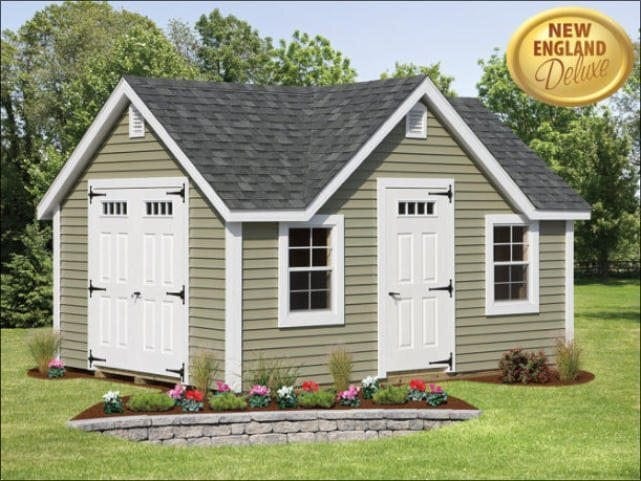
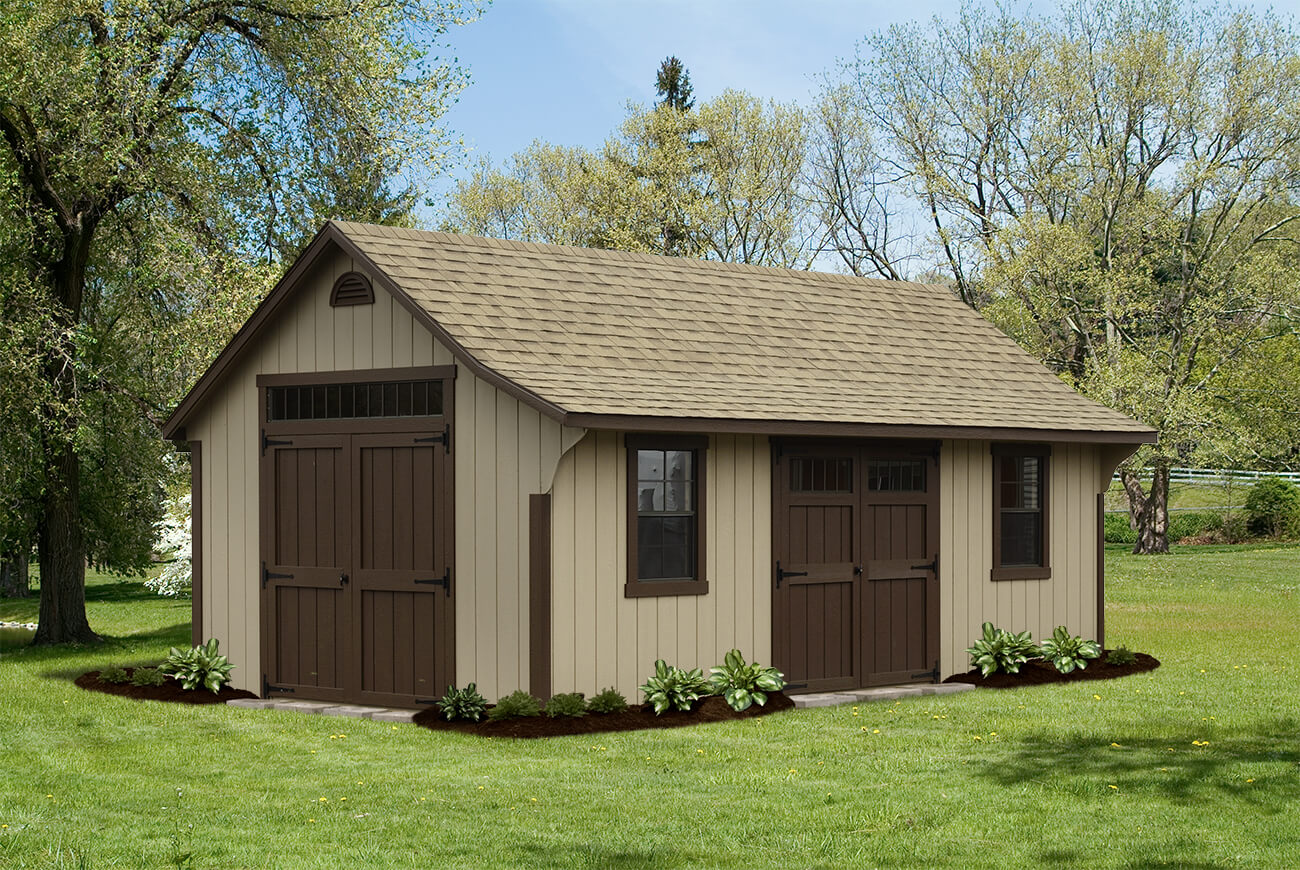
HOA shed rules typically require homeowners to get approval before installation, follow size and height limits, meet placement setbacks, and match approved materials and colors. Requirements vary by HOA, so reviewing your governing documents and local building codes is essential before buying a shed.
What is a Homeowners Association and What Do They Do?
A homeowners association (HOA) is an organization in a planned community, subdivision, or condominium building that enforces rules for residents and their properties. These rules are often appearance-focused and can range from regulations about parking to the paint color on your house.
Their ultimate goal is to preserve or increase property values by maintaining a cohesive look in the development. To achieve this, each HOA has different rules and regulations to follow.
Membership is usually mandatory for those living in the community, and HOAs require monthly or annual fees. In return, they may provide other services for the neighborhood such as snow removal, landscaping, and more.
Not following HOA protocol could lead to warnings, fines, or, in the case of a shed, tearing the structure down. That’s why you need to learn about shed HOA requirements before you get started.
Common HOA Shed Rules
Now that you know the purpose of a homeowners association, we will cover four of the common HOA shed guidelines to consider when purchasing a shed.
1. HOA Approval and Permits
A lot of people ask: do you need HOA approval for a shed? The short answer is yes! Getting proper approval from your homeowners association is necessary so you can enjoy your shed for years to come.
To do this, review your HOA regulations and submit any plans to get approval. This may include documents like a site plan, topographic map, shed image, and shed dimensions. In addition, be sure to check local building codes to see if you need zoning or building permits. This will depend on your location and the size of your shed.
Not getting approval could cost you time, money, and effort. That’s why submitting the proper documentation is an important first step to building an HOA-approved shed.
2. Shed Size Restrictions
Most HOAs limit what size your shed can be.
Maximum footprint: the maximum shed size may be regulated by the total square footage, dimensions, or percentage of the land it covers. For example: 150 feet, 8’ x 10’, or no more than 1% of your land.
Maximum height: many homeowners associations limit the height of side walls, as well as the height of the roof.
We offer a variety of shed sizes, so choose the one that’s right for you, while also following HOA shed rules.
3. Shed Placement Rules
Your HOA may have rules about where you can place your shed. These setback requirements will outline the minimum shed distance from your property line, main house, driveway, and more. Most HOA guidelines also state that sheds cannot be visible from the front of the house to maintain neighborhood aesthetics.
Before you begin site prep, you need to make sure your location complies with any shed placement rules.
4. Shed Materials and Appearance
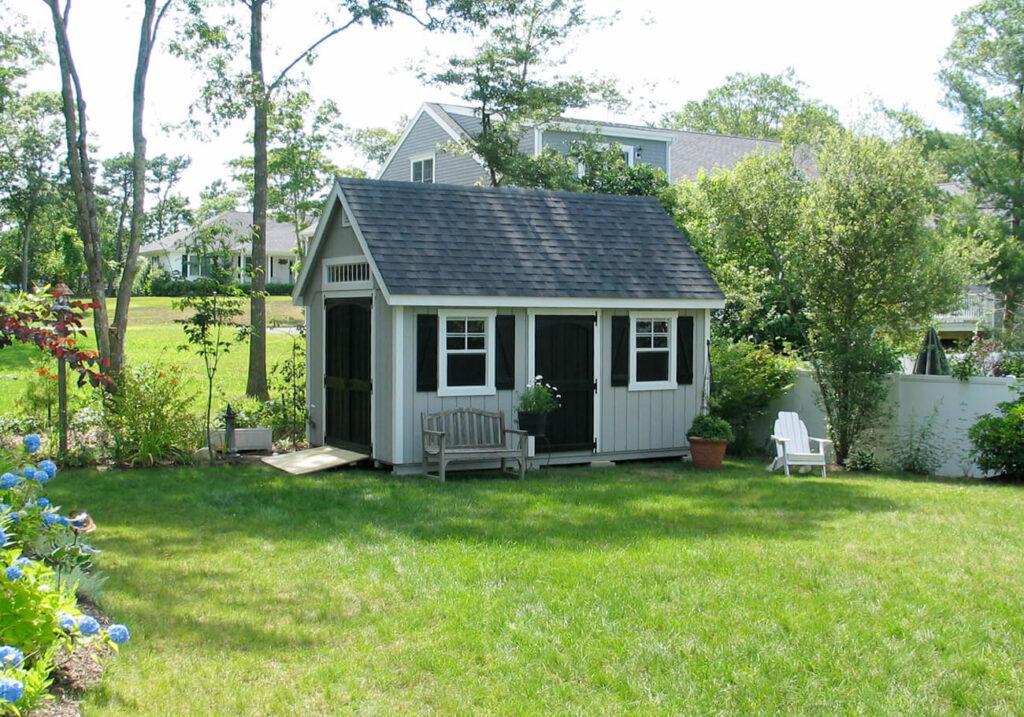
Now we’re at the fun part—the look of your shed! When you’re choosing the style, be sure to consult your HOA about the:
- Roof: your HOA may have guidelines for flat roofs vs. sloped roofs
- Floor: sheds must include a solid floor, such as a concrete slab. Avoid dirt or gravel floors.
- Exterior material: your siding must be constructed of wood, vinyl, or aluminum. All metal sheds are typically not allowed.
- Color: some HOAs ask you to match the style of your house as closely as possible. This includes exterior colors, trim colors, roof shingles, and windows.
These shed design elements for HOA will help your structure blend in seamlessly in your backyard.
How to Design an HOA-Approved Shed
You don’t just want an HOA-approved shed, but also a visually appealing one. Here are some design elements to consider to enhance the look of your shed and your yard as a whole.
Shed Location
As you know, your HOA restricts shed location, but you also want to consider where it looks best. Does your yard have a focal point? What is your landscaping like? Will your shed add to the overall appearance, or feel out of place?
Be mindful how the shed works visually with the rest of your yard and place it accordingly. Try to balance HOA shed placement rules with personal preference and practicality.
Shed Style Options
Whether you’re going for a modern, bold, or garden-inspired look, you can find a shed style that complements your taste. At Penn Dutch Structures, we can make any shed HOA-friendly! Some popular styles include:
- A-Frame Shed
- Cape Shed
- Carriage Shed
- Chalet Shed
- Classic Shed
- Cottage Shed
- Mini Barn Shed
- Villa Shed
- Quaker Shed
Exterior Look
Don’t let your shed be an eyesore. Take your time deciding on the basic visual elements like color, siding, and roof. Don’t be afraid to try something different with your new structure, as long as it’s following HOA shed guidelines.
As a general design rule, try to match the style of your home so your shed doesn’t look out of place in your yard. We offer color, trim, window, and door customizations on both our vinyl and wood sheds.
Accessories and Custom Features
The best way for your shed to stand out is with unique accessories and customizations. Get creative with outdoor lighting, garden accents, and decorative add-ons. Some of our favorite options are weathervanes, flowerboxes, and cupolas for a charming look.
Landscaping Around Your Shed
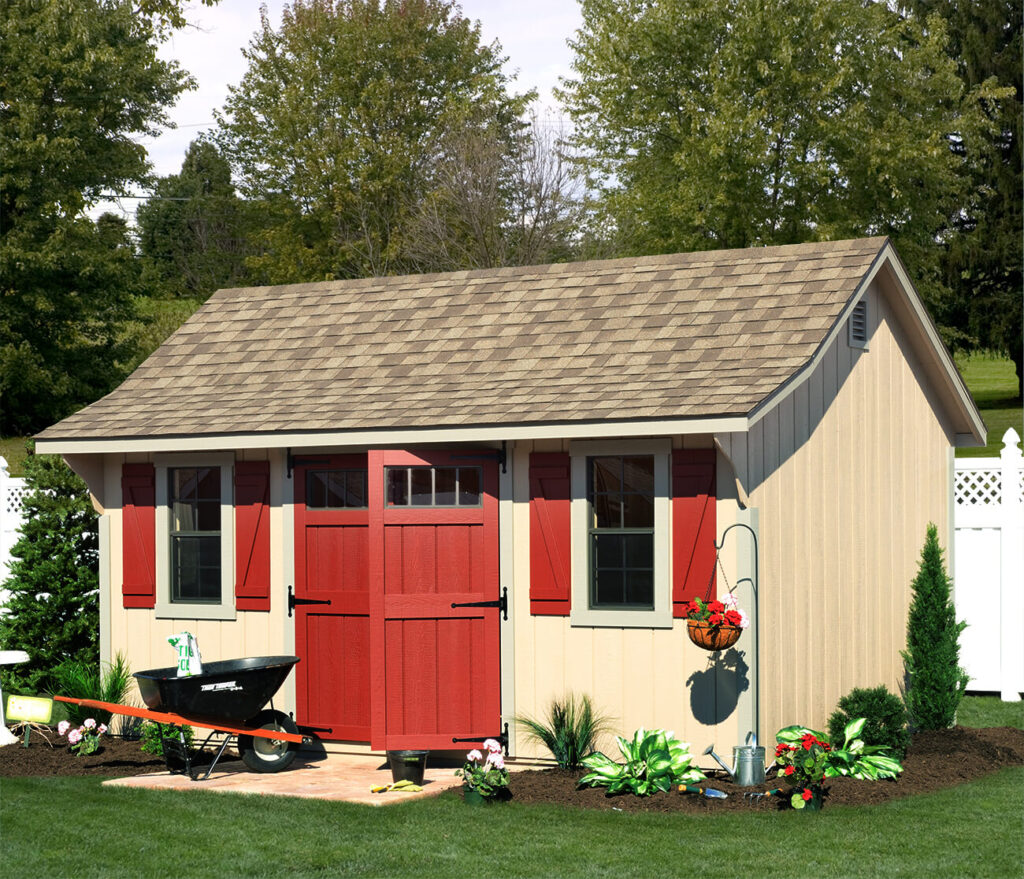
Another great way to enhance the visual appeal of your shed is by landscaping around the structure. Planting flowers, shrubs, or even a vegetable patch near your shed adds a natural touch. Be careful to avoid some common mistakes that are harmful to your shed or your plants:
- Planting trees too close: planting trees near your shed is not a good idea, since their growth can cause problems with your structure down the road.
- Blocking sunlight: both your plants and shed need sunlight. Make sure everything has enough sun exposure to help your plants be healthy and your shed avoid moisture damage.
- Leaving climbing vines untended: climbing vines are beautiful, but they require attention. If not cared for, they can trap moisture, rot wood, and completely take over your shed.
Find Your State and Local HOA
With your new knowledge of HOA shed rules and popular design elements, you are ready to buy a shed. Find your state HOA laws on the HOA Management site. For your local HOA, we recommend looking at your property deed or asking a neighbor.
Frequently Asked Questions About HOA Shed Rules
1. Do you need HOA approval for a shed?
Yes. Most homeowners associations require written approval before installing a shed to ensure it meets community appearance and placement standards.
2. What size shed is usually allowed by an HOA?
HOA shed size limits vary by community, but most restrict both the footprint and height. Common rules cap shed size by total square footage or dimensions, such as a maximum of 150 square feet or an 8′ × 10′ shed, and some HOAs limit sheds to a small percentage of the lot, often around 1%. Height restrictions are also common and may apply to side walls and overall roof height.
3. Can an HOA make you remove a shed?
Yes. If a shed violates HOA rules or was installed without approval, the HOA may issue fines or require removal.
4. Are metal sheds allowed in HOA communities?
Often no. Many HOAs restrict sheds to wood or vinyl materials to maintain a consistent neighborhood appearance.
View Our HOA-Approved Sheds
Now that you know the regulations, you are ready to purchase an HOA-friendly shed! Browse our shed options to get started on your dream backyard.