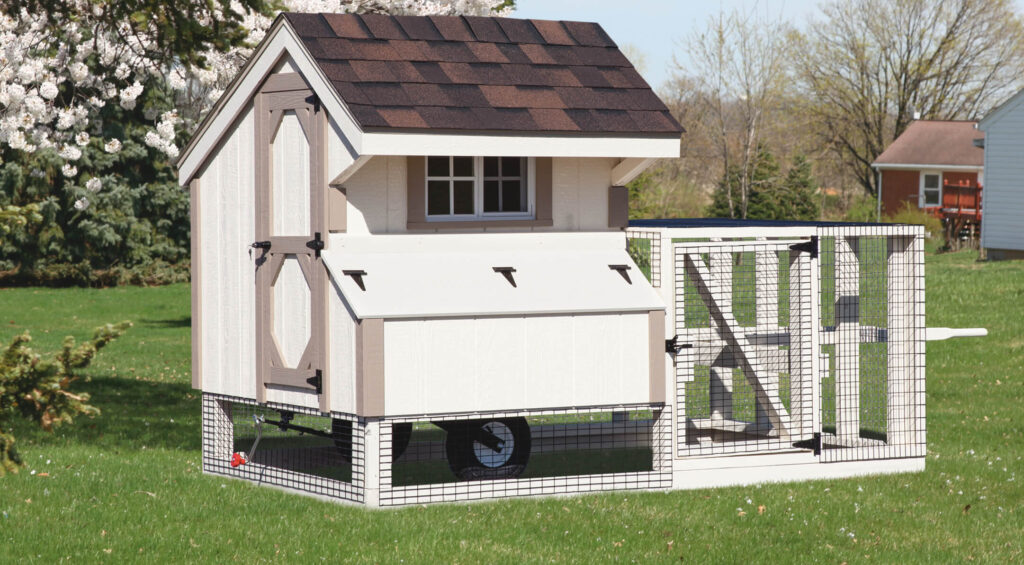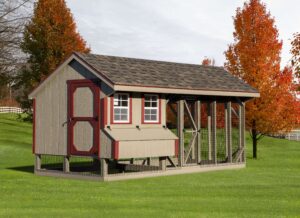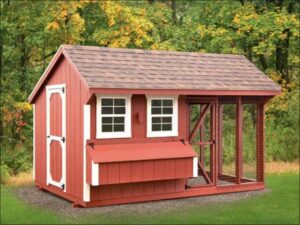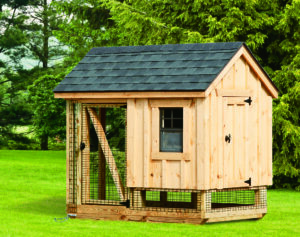
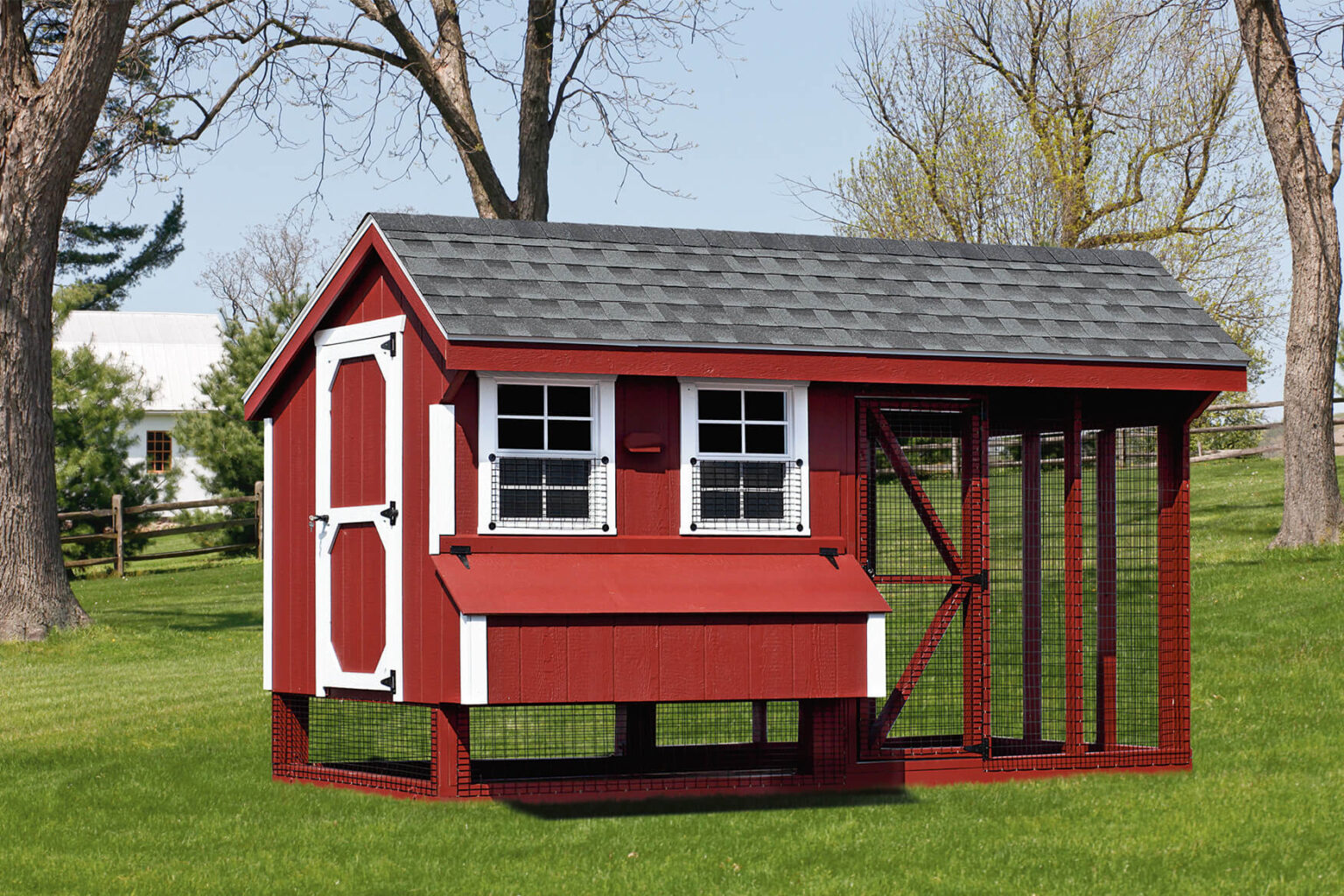
Craving fresh eggs and feathered friends? Raising backyard chickens is a growing hobby, especially since the pandemic. And the biggest key to success is buying a coop that will keep your flock healthy and safe. Keep reading for creative chicken coop ideas and the essential questions you need to ask before buying one.
What’s the Best Chicken Coop Size?
The size of your coop depends on the number of birds you own! Most chicken coop guides suggest two to four square feet per standard adult bird. Choosing the right size helps control the temperature inside your coop. It also minimizes injuries from pecking and overcrowding.
The perfect size is also determined by how many nesting boxes you want to add. These offer a clean, private area for hens to lay their eggs. At minimum, include one nesting box for every four to five hens, and install them a couple feet off the ground.
How tall should a chicken coop be? Your flock may be small, but your coop should still be at least three feet tall. Higher ceilings allow for more ventilation, which maintains a healthier environment. This extra height also lets you add roosting bars inside your coop, giving your chickens a place to sleep that’s off the ground.
Now it’s time to think outside the coop! How much outdoor space do you want to provide your chickens? When brainstorming chicken coop ideas, consider a chicken run, an enclosed outdoor area where your birds can stretch out, dust bathe, or scratch in the grass. When creating a chicken run, dedicate at least eight to ten square feet per standard adult bird.
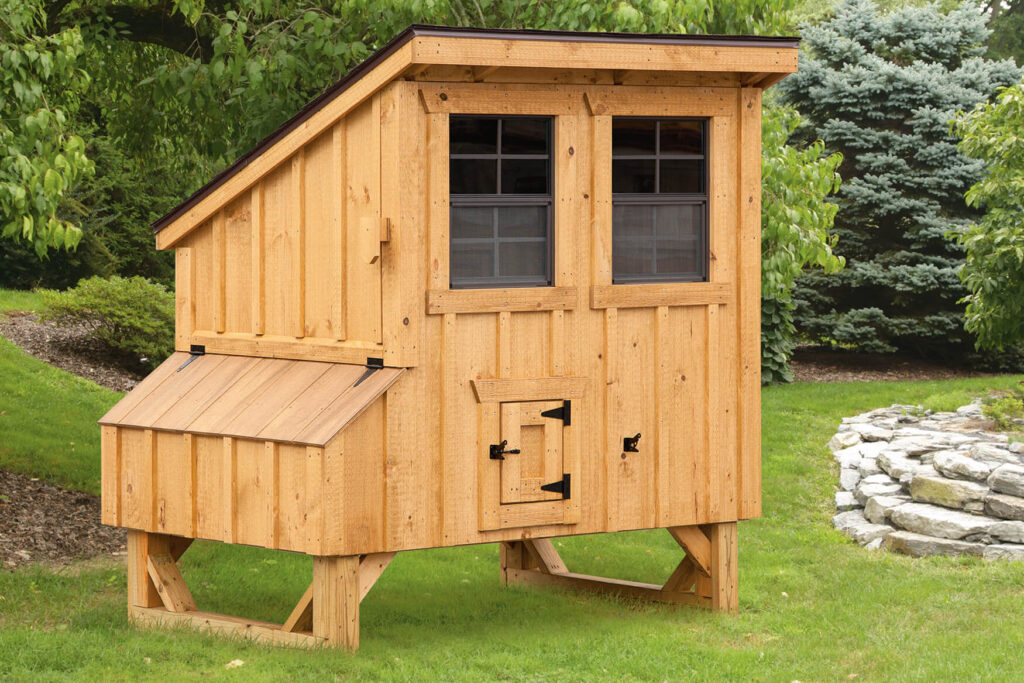
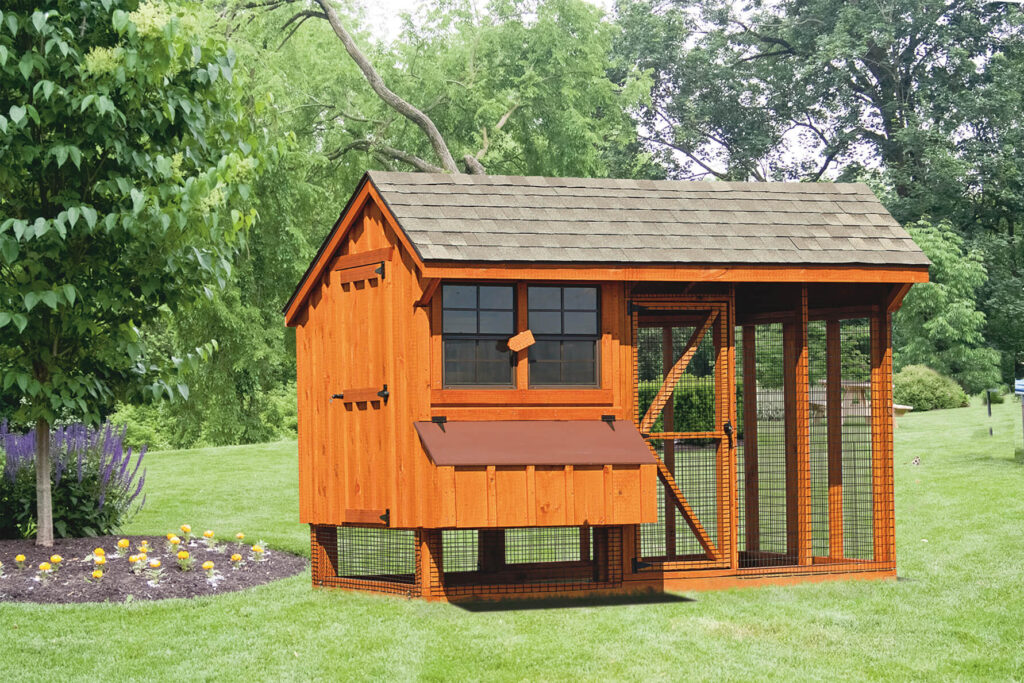
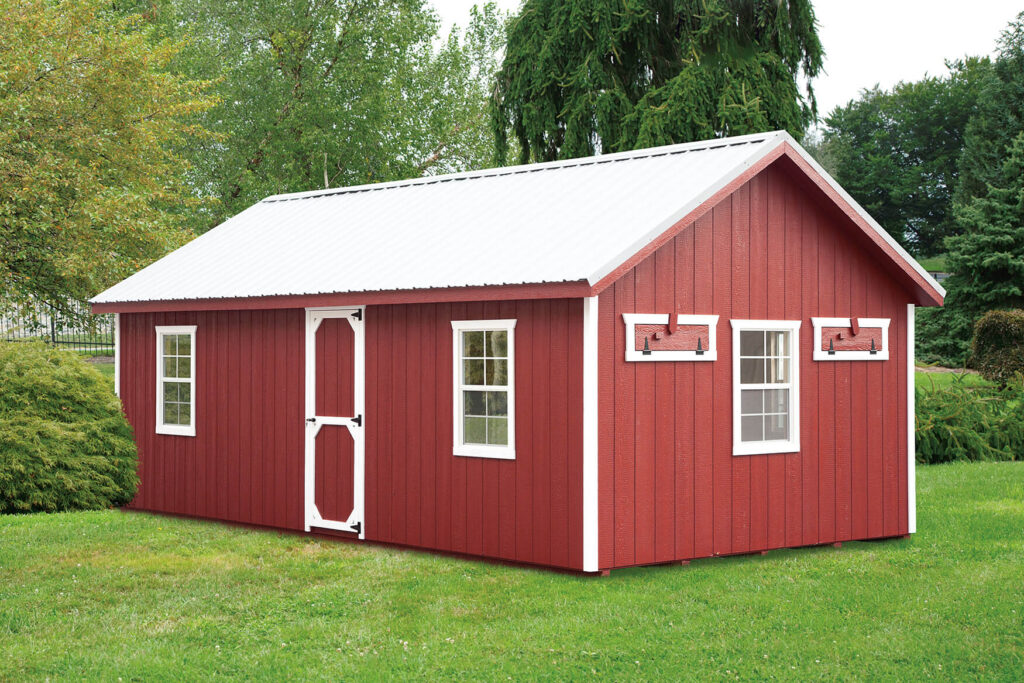
Check out a few of our chicken coop sizes below to see what works for you!
What Other Features Should My Coop Include?
At the bare minimum, the coop you choose should be easy to clean and well-ventilated. It should also include watering and feeding stations and provide adequate roosts. Here are some other chicken coop ideas that will help make your birds even happier.
- Natural light: Sunlight inside your coop encourages egg production, so consider a style with windows! During the Winter, you can even install a light inside your coop to help out your hens.
- Wooden floors: These are easy to clean and offer more protection.
- Good bedding material: We recommend sawdust (untreated wood only), wood shavings (choose a low-dust option), or hemp bedding.
- Automatic water station: Chickens need twice as much water as they do feed, and an automatic waterer ensures there is always plenty available.
- Electrical package: Enjoy the added conveniences of a heated water bowl and an automatic locking door.
- Wheel system: This makes it easy to move your coop. Periodic relocation keeps your grass healthy and provides your flock with fresh foraging areas.
Where Should I Place My Chicken Coop?
When picking the perfect spot for your coop, think about light and warmth (especially in the colder months). You want a spot that provides plenty of sunlight to stimulate your hens’ pituitary gland, which leads to egg production. You also want to avoid drafts.
Southern-facing locations are best to take advantage of the sun’s warmth and protect your birds from cold northern winds. Windows on the east and west sides will help keep temperatures warm inside.
In extreme heat, make sure you provide afternoon shade for your coop, either with landscaping or a shade cloth.
Now that you’ve picked the perfect spot, you may be wondering if you can place your coop directly on the ground? The answer is yes! However, we recommend that you create a base of crushed stone for your structure. This improves drainage and adds a layer of protection from predators looking for an access point.
From here, we suggest that you relocate your mobile coop every 2–3 days for a larger flock. Smaller flocks can last longer in one area. Once you start seeing bare patches of grass or piles of manure, you know it’s time to move to give the ground a break.
What Security Features Do I Need to Add?
Your chickens are most vulnerable when it’s dark, so it’s important that your birds don’t roam free at night. Close them up when the daylight fades and keep them locked safely inside your coop. From there, here are other chicken coop ideas to keep your birds safe:
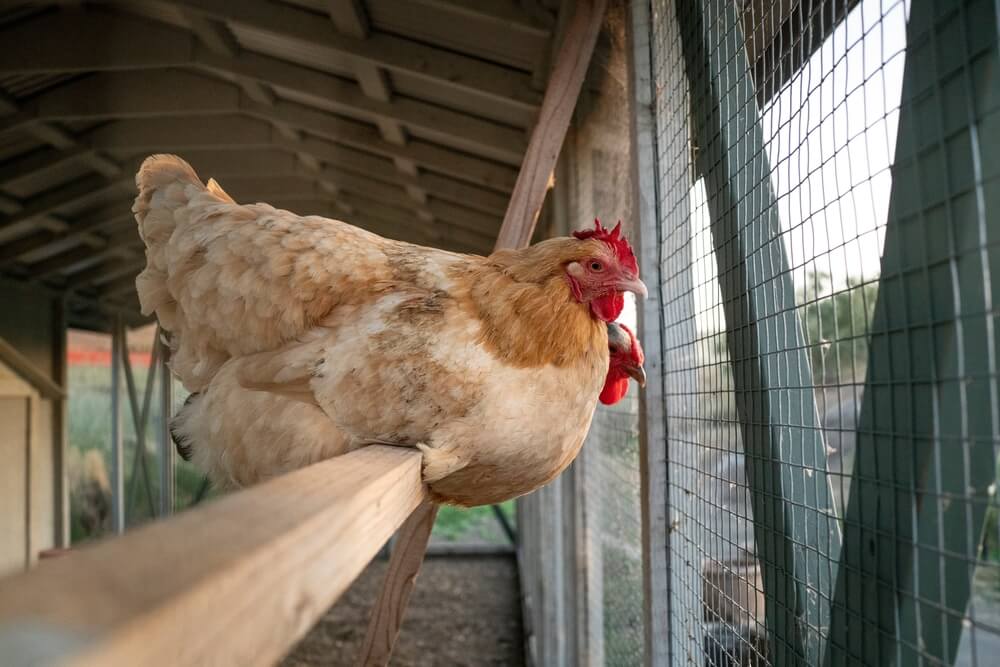
- Add roosting bars: Having a place to sleep that’s off the ground keeps your chickens safe from predators and small creatures who may squeeze into your coop at night looking for warmth. A roosting bar only needs to be a foot off the ground, but the higher you place them, the more room you have for additional roosts.
- Raise your coop off the ground: While this isn’t required, a coop that’s a few inches off the ground makes it harder for predators to enter. Foxes, raccoons, and skunks can create underground holes to access your coop from below, but adding legs makes it harder for them to reach.
- Install predator netting: Whether you use chicken wire, chain link or electric fencing, aviary netting, or beyond, securing your perimeter is essential. Read our breakdown of the different types of netting and other steps you can take to keep your chickens safe.
- Cover your coop: Roof sheathing is a great option to protect your birds from predators and from bad weather.
Where Can I Buy A Chicken Coop?
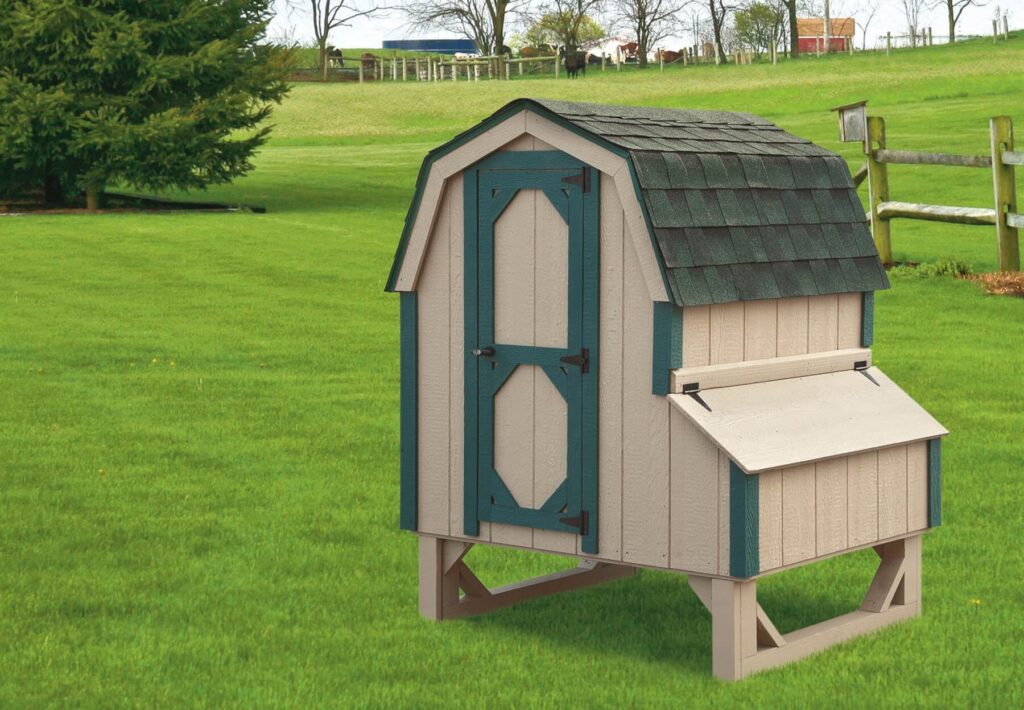
Penn Dutch Structures has chicken coops for sale at our locations in Shrewsbury, Pennsylvania and Finksburg, Maryland. We have sizes ranging from 3’x3’ to 12’x24’, perfect for any flock and property.
Each coop includes Tech Shield Roofing Sheathing, Duratemp® siding, and automatic doors. And to make cleaning day less of a hassle, we also provide epoxy floors and litter trays. You can trust our expert Amish craftsmanship to last you for years and withstand all sorts of weather.
Find Your Perfect Coop
Start shopping our Amish-built chicken coops today.
Key Takeaways: How to Pick the Best Chicken Coop
- Size: You need two to four square feet per adult bird.
- Other features: Find a coop that includes natural light, wooden floors, quality bedding materials, automatic water feeders, an electrical package, and a wheel system.
- Placement: Pick a south-facing spot that gets plenty of sunlight and few drafts.
- Relocation: If possible, move your coop every few days, or whenever the grass gets bare.
- Security: Add other features like roosting bars and predator netting, plus follow our security tips to keep your flock safe.
- Where to buy: At Penn Dutch Structures, you can request a quote on our chicken coops for sale.
Chicken Coop Ideas: Styles & Landscaping
Want to upgrade from a basic shelter? Here are our favorite chicken coop ideas to make your yard pop.
1). Pick A Unique Style
Along with a range of chicken coop sizes, we also offer a variety of styles. Find one that suits your space and design needs:
A-Frame: This classic style is a fan favorite. It has simple, straight lines and beautiful trim.
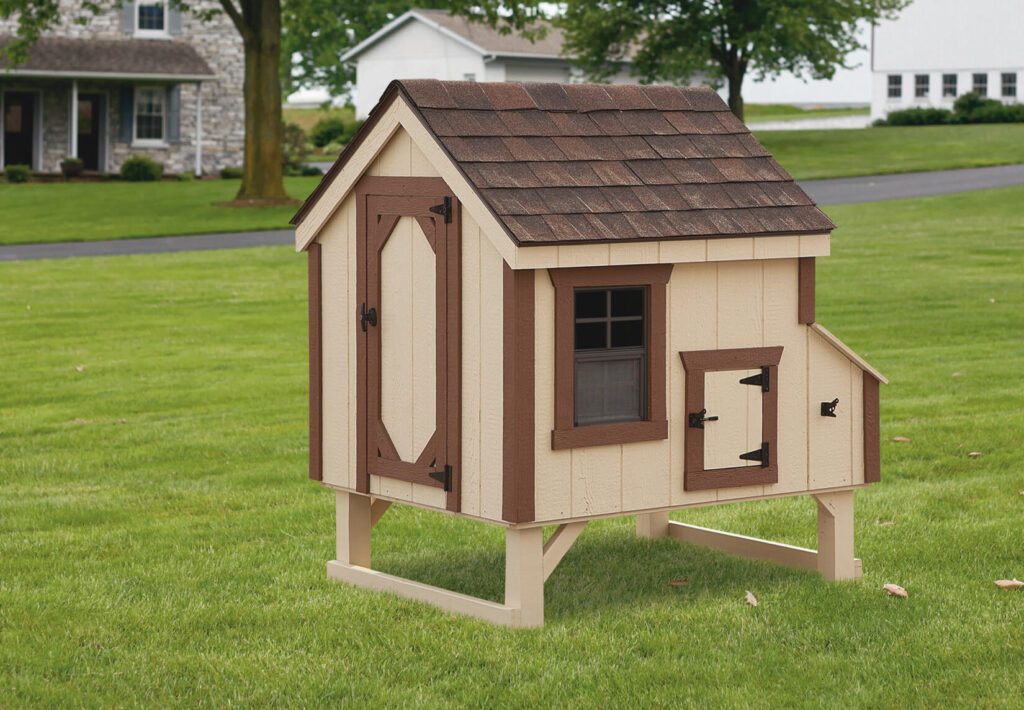
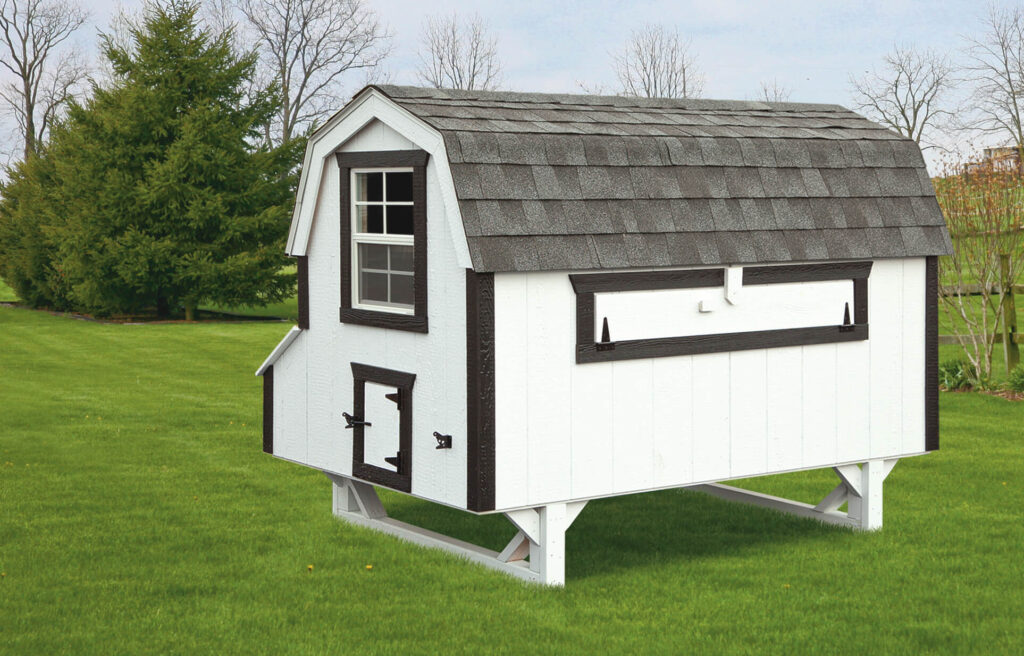
Dutch: The Dutch coop has a quaint, hip-style roof, which makes it look like a miniature barn. It also increases the usable space inside.
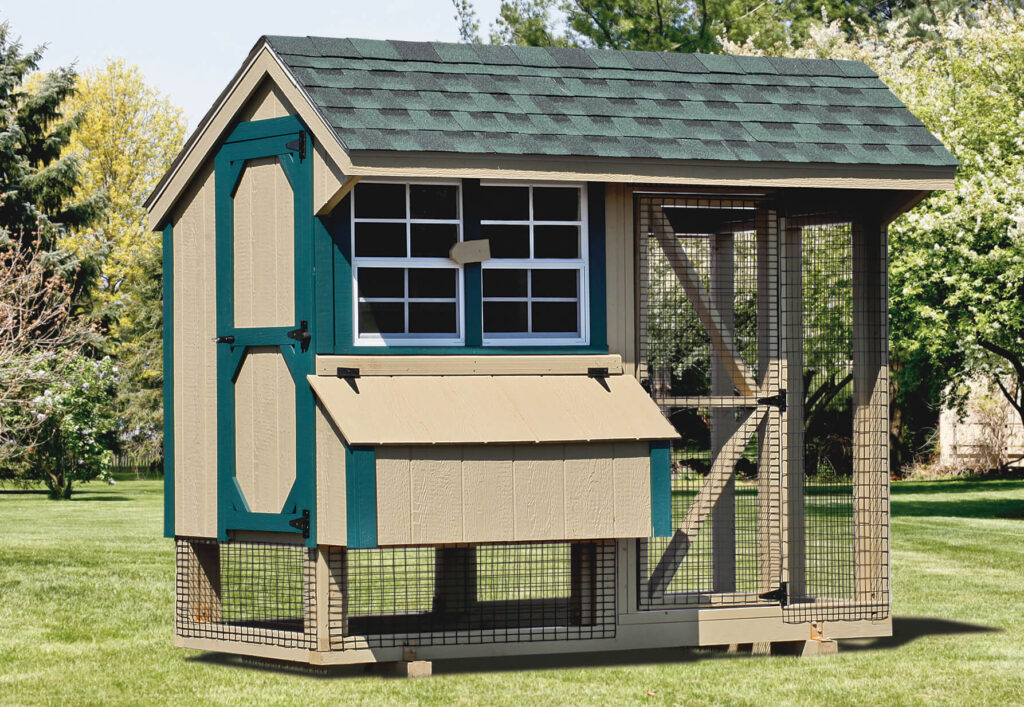
Combination: Your chickens will love our combination coops! They include an attached chicken run to give your birds a safe place to scratch.
Pictured: Quaker combination.
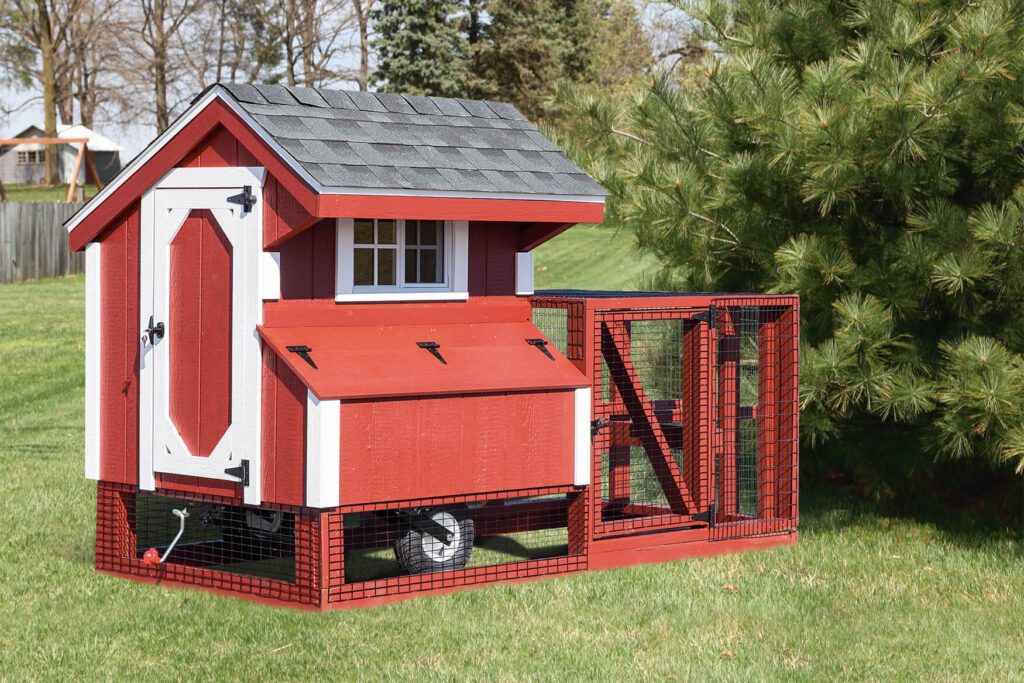
Tractor: The tractor style is a moveable cage and outdoor run combo. This allows you to keep the chickens on fresh grass by easily moving it to different areas of your property.
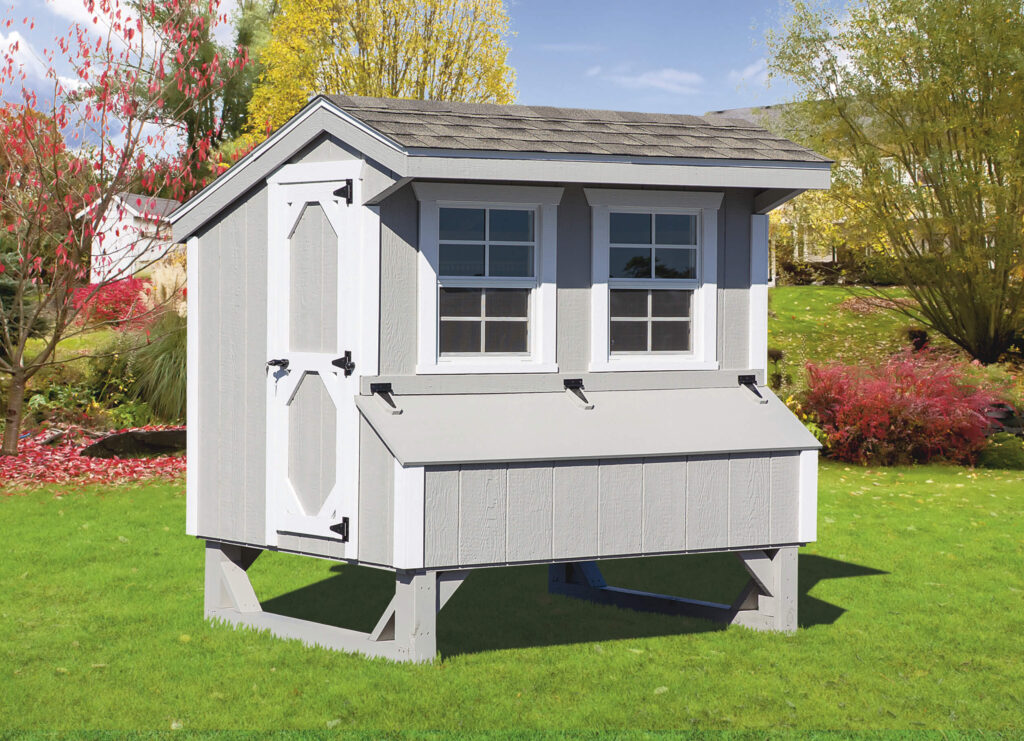
Quaker: Quaker coops have a distinctive roof overhang that is inspired by century-old barns. This style maximizes headspace inside.
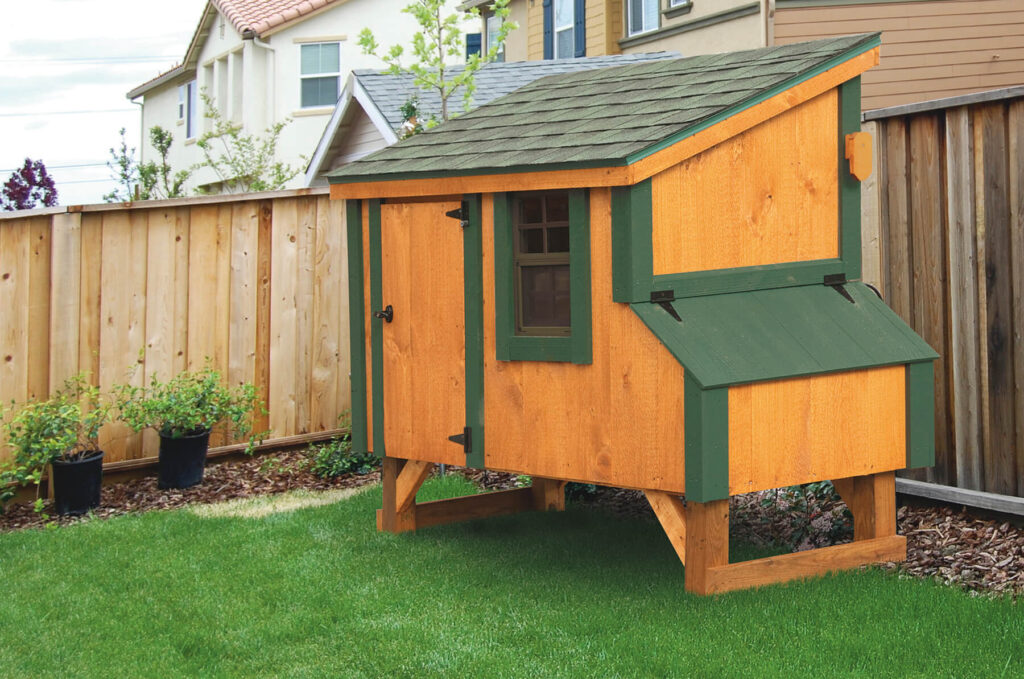
Lean-To: The Lean-To is designed to save space by allowing you to place it against a building or wall.
2). Customize Your Coop
Don’t settle for the standard. Our chicken coops for sale are all customizable! Pick your favorite paint, stain, shingle, and roof color for a structure that’s completely personalized to you. We can place it wherever you like, completing the look of your backyard.
3). Decorate Inside
Upgrade the interior of your coop with curtains! Not only do they look unique, but curtains in the entrance help limit drafts. Curtains over nesting boxes keep it dark to encourage your hens to lay more eggs and give them a bit more privacy.
Speaking of nesting boxes, we also recommend adding aromatic herbs to the mix. This helps calm your hens, deters bugs, and looks great!
4). Landscape Outside
Our last chicken coop idea is to add landscaping around the structure. Plant shrubs, saplings, and flower boxes to upgrade the design of your coop. This helps it not stand out like a sore thumb in your backyard. You can also add herb planters near your chicken run, and the fragrances will help ward off certain pests.
Shop Our Chicken Coops
Still have questions about buying a chicken coop? Chat with our staff! We’re available Tuesday–Saturday every week.